Limit Additional Water Damage
Water Mitigation Services in Alamosa, CO
Water is spreading or materials are getting wet? Start with a clear mitigation plan. Get a Free Estimate
Take Action Before Water Damage Spreads
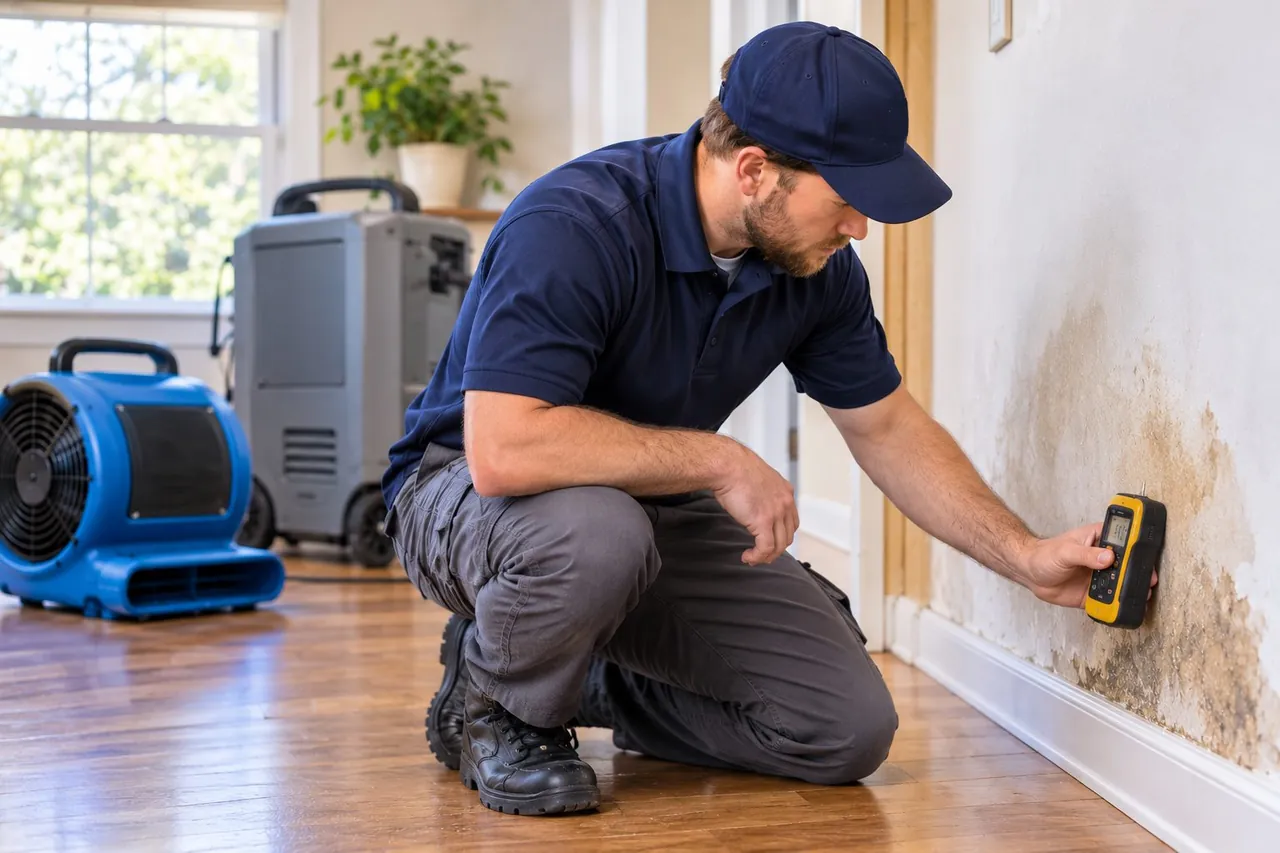
Water mitigation focuses on reducing additional damage after an unwanted water event. When water enters a building, it can spread across floors, soak into absorbent materials, and move into adjoining rooms or concealed spaces. Controlling the source and addressing excess moisture are important early steps.
Alamosa Water Damage Restoration provides water mitigation services for homes and businesses in Alamosa and the surrounding San Luis Valley service area. We focus on understanding the water source, identifying immediate concerns, and determining how the affected areas can be stabilized and dried.
Where to Request Water Damage Help
Water Mitigation for Common Property Emergencies
Mitigation is most useful when the response matches the situation. A clean supply-line leak, an overflowing sink, and water entering from outside may require different precautions and methods.
Stopping the Water Source
The first priority is preventing more water from entering the affected area when it can be done safely. This may mean closing a plumbing shutoff valve, stopping use of an appliance, or arranging for a plumber to repair a failed supply line. Some situations involve electrical, structural, or contamination hazards that make entry unsafe. Property owners should not attempt repairs or water removal in dangerous conditions. Addressing the source helps prevent mitigation efforts from being undermined by continuing water flow.
Standing Water Removal
Water that collects on floors or in lower areas can continue soaking into porous materials. Depending on the situation, appropriate extraction equipment may be used to remove accessible standing water before detailed drying begins. The amount of water, access limitations, and level of contamination affect the removal method. Sewage or outside floodwater requires additional precautions and should not be handled as though it were a clean plumbing leak.
Protecting Belongings
Furniture, rugs, stored items, and other belongings may be vulnerable when water spreads across a room. Moving items away from a safe, accessible wet area can help prevent further contact, staining, and damage. Heavy furniture, electrical devices, and contaminated objects may require special handling. We encourage customers to prioritize safety and avoid lifting or moving anything that could create an additional hazard.
Initial Moisture Assessment
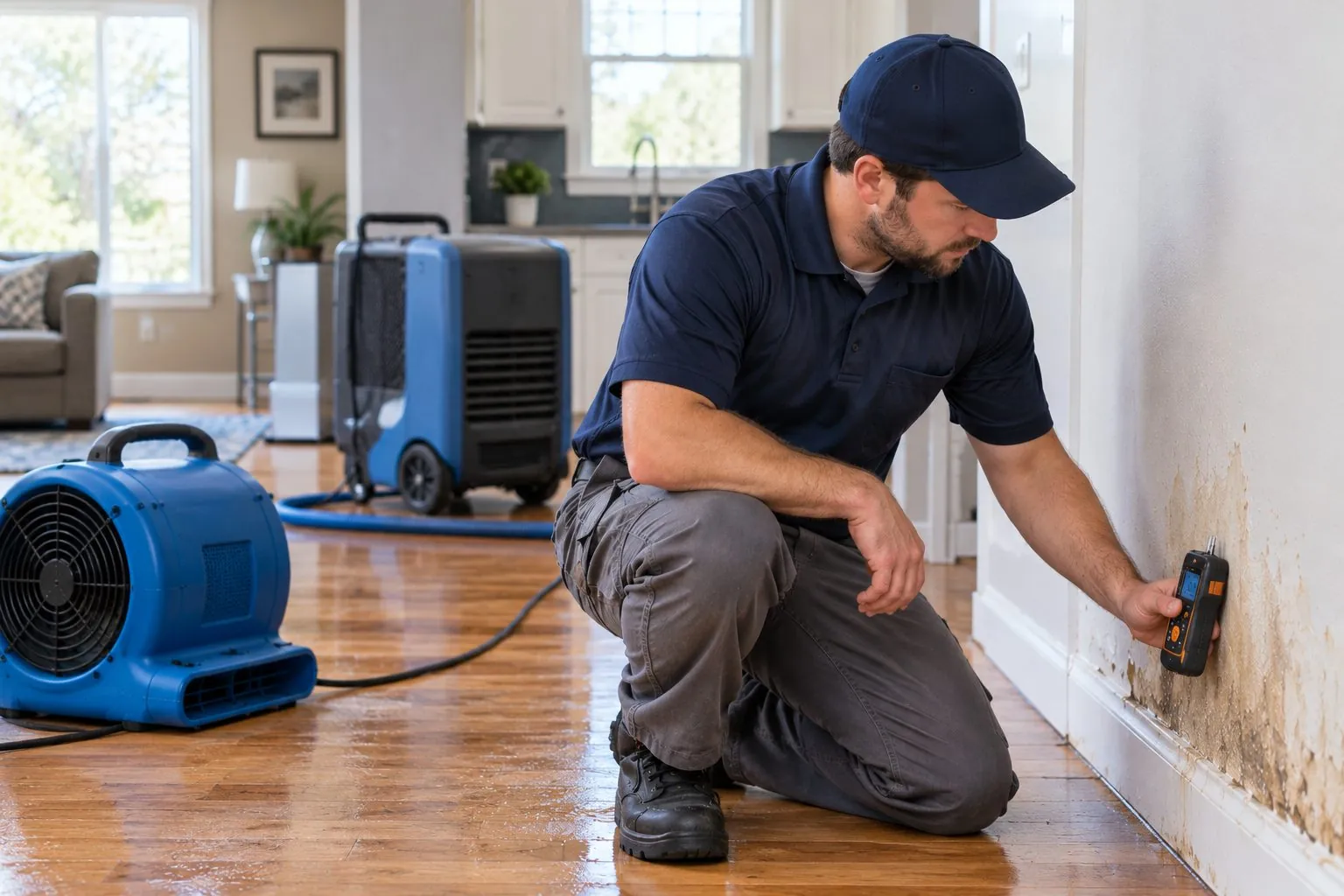
Visible water does not always reveal the full extent of a loss. Moisture can move through seams, beneath baseboards, into wall cavities, and under finished floors. Assessing likely moisture pathways helps identify where drying efforts may be needed. The condition of the building materials determines whether additional access, removal, or specialized drying methods should be considered. An informed assessment reduces reliance on guesswork.
Early Structural Drying
Once the water source has been controlled and standing water addressed, suitable drying measures can help limit the effects of remaining moisture. Temperature, humidity, airflow, and the type of material all influence the drying process. Drying a structure is different from making a room feel dry. Concealed materials may retain moisture after visible surfaces appear normal, so moisture checks remain an important part of the process.
Preventing Secondary Damage
Water can contribute to swelling, staining, finish damage, deterioration, and microbial growth when conditions allow. Timely mitigation can reduce some of these risks, but it cannot guarantee that every affected material will be saved. A realistic mitigation plan considers what is already damaged, what can reasonably be protected, and whether contamination or material breakdown requires additional steps.
Why Choose Us for Water Mitigation?
Focus on what matters first
We begin with safety, the water source, and the areas most likely to experience additional damage.
Different water sources need different responses
Clean water, unknown water, and contaminated water should not be approached in the same way.
Consider concealed moisture
We account for the possibility that water has moved beneath or behind visible surfaces.
Keep the plan understandable
We explain why mitigation measures are being considered and what additional evaluation may be needed.
Helpful Cleanup Information
For clean-water damage, the EPA explains why drying materials promptly matters and how airflow and dehumidification can help. Floodwater or sewage requires a different assessment.
Get Help With Water Damage
Describe the leak or water intrusion and find out what mitigation steps may help protect your property.
Free — no obligations
How Water Mitigation Moves Forward
Check Immediate Safety
Identify electrical risks, contamination, damaged materials, and other conditions that could make the area unsafe.
Control Continuing Water
Confirm whether the water source has stopped or requires attention from the appropriate repair professional.
Limit Water Spread
Consider suitable water removal and property-protection measures based on access and safety conditions.
Begin Appropriate Drying
Evaluate affected materials and use a drying approach suited to the building and type of loss.
Review Remaining Damage
Identify materials requiring further restoration, additional evaluation, or possible replacement.